Table of Contents
Table of Contents
- What is the average snow removal business salary?
- How much do snowplow operators earn?
- What influences snowplow service owner earnings?
- How much do snow removal employees get paid?
- How much can a snow removal business make per year?
- What affects snow removal business profitability?
- What expenses reduce snow removal businesses’ profits?
- How can you maximize profits in snow removal?
- How do you pay and manage snow removal staff?
- How can technology increase snow removal profits?
- Over to you!
Running a snow removal business means navigating tight margins and unpredictable weather. Understanding how much to pay your team (and what you can realistically earn) will help you attract reliable crew members and protect profitability when the snow starts falling.
This guide breaks down the factors that determine how much to pay your employees and how much you can expect to earn through the winter.
In addition to average revenue and employee salaries, you’ll learn what strategic adjustments can boost your bottom line even as salaries rise.
Disclaimer: Note that this page and information are accurate as of February 2026.
What is the average snow removal business salary?
The average salary for snow removal business owners is $85,000 to $192,000 per year, depending on regional weather conditions and contract types.
Established businesses with four or more trucks typically generate owner income of $100,000 or more, while newer owners may earn less.
There are also significant differences between how compensation works across industry roles:
Business owners usually pay themselves a salary and take distributions or dividends from profits. Their compensation will vary based on profit and the amount they reinvest in the business.
Operators are individual drivers who may operate a one-person company or work as independent contractors for larger snow removal businesses. They usually earn per-push or per-event.
Employees receive hourly wages or salaries, with predictable income regardless of business profitability.
Most snow removal employees make between $13 and $36 per hour, depending on their skill level and location, while operator compensation is more complex.
How much do snowplow operators earn?
Pay structures and earnings for snowplow operators depend on their contract terms and associated costs.
Per-push pricing compensates operators each time they clear snow from a property, with residential driveways priced at $30–75 per visit and commercial properties priced higher.
Per-event compensation pays a flat rate for each storm, regardless of snowfall, so income is tied to storm frequency rather than to the number of visits per storm.
Seasonal contracts pay a flat fee for the entire season, providing more income stability. With this model, seasons with heavy snowfall can reduce effective hourly earnings while lighter years increase them.
Hourly rates range from $50–$160 for commercial work and up to $95 for residential work.
Beyond the compensation structure, operator income also varies by region. Markets with heavy, consistent snowfall in the Northeast and Midwest command higher contract values compared to regions with unpredictable winter weather.
What influences snowplow service owner earnings?
There are several factors affecting salary in the snow removal industry, from regional salary differences to business structure:
Location and snowfall frequency will determine baseline revenue potential, just as they do for operators.
Contract type affects income stability and per-job revenue. Commercial properties command higher contract rates than residential properties and offer more predictable income streams.
Pricing strategies directly impact profitability. Owners who maintain healthy profit margins will protect their bottom line (and their income).
The scale of operations also affects earning potential. Multi-truck operations generate much more gross revenue than single-truck operators.
Understanding and optimizing each one is critical for snow removal owners who need to generate enough winter income to cover annual expenses and owner compensation.
How much do snow removal employees get paid?
Snow removal employees earn an average of $25 per hour, or $53,000 per year. ZipRecruiter reports that hourly wages range from $14 to $36, with most in the $20 to $29 range.
Regional variations significantly affect employee wages, with high-demand states such as Washington, Vermont, and Connecticut offering higher salaries.
Employee pay structures usually follow straightforward hourly pay models, but some businesses offer seasonal guaranteed minimums—committing to a baseline number of paid hours even during light snow years.
Beyond basic wages, overtime pay is standard during storm events when employees work extended hours.
Many businesses also use bonus systems to improve retention: some reward reliability with end-of-season bonuses, while others link bonuses to performance goals based on their profit margins.
How much can a snow removal business make per year?
The average snow removal company generates $152,000 in snow services revenue, accounting for about a third of total annual revenue. The other two-thirds usually come from landscaping services in the spring and summer months.
On average, snowplowing accounts for 49% of snow services revenue, while deicing and snow clearing each account for about 25%.
Revenue varies significantly by business size and service model. Single operators might see $60,000 per year, while small businesses with two to five trucks might see $250,000 per year.
What affects snow removal business profitability?
Several factors determine whether your snow removal business generates strong profits or barely breaks even:
Operational efficiency: Route density, equipment reliability, and workflows directly impact profit. Businesses that can service 25–35 residential driveways in 24 hours generate more revenue per storm than those servicing only 10–15 properties.
Labor and fuel costs: Crew productivity determines labor costs per property; efficient crews complete more jobs per hour, reducing per-job labor expenses. Efficient routing also reduces fuel costs.
Contract type: Commercial contracts command higher prices, while residential contracts offer more flexibility. Their profitability will depend on the type of contract your business is optimized for.
Competition: Markets with lots of competition drive prices down. Specialized services, such as 24-hour response or saltless deicing, can justify premium pricing when you need to stand out.
Keeping your business and crew organized, efficient, and well-suited to the contracts you take on will go a long way towards improving profit margins.
What expenses reduce snow removal businesses’ profits?
Understanding and managing expenses will protect profitability when revenue fluctuates due to unpredictable weather:
Equipment: New equipment purchases are often the largest startup expense, and maintenance represents a significant ongoing expense.
Fuel and supplies: Fuel for vehicles and equipment is a significant ongoing expense. Deicing salt, sand, and specialized chemicals can also add up fast.
Labor: Beyond hourly wages, businesses must also budget for workers’ compensation insurance, payroll taxes, and potential overtime during extended storms.
Insurance: Insurance premiums often cost thousands per year and increase with fleet size and claim history.
Purchasing supplies in bulk during the off-season, performing preventive equipment maintenance, and efficient dispatching can all help reduce expenses.
How can you maximize profits in snow removal?
Protecting profit margins means more than cutting costs—it requires strategic approaches that increase both revenue and operational efficiency.
These tactics will drive measurable improvements to your bottom line:
Strategic pricing: Value-based pricing can help you boost profit margins, especially in areas where customers are willing to pay a premium for quality. Make sure you understand your job costs and establish minimum pricing thresholds to prevent underbidding.
Targeted marketing: Aspire’s Marketing Pro creates hyper-targeted audiences from your CRM and automated email campaigns. Send renewal reminders to existing customers and weather alerts that keep your business top of mind when storms approach.
Route density: Concentrating clients in specific areas minimizes drive time between properties, reduces fuel costs, and increases the number of jobs your crews can complete per shift.
Upselling additional services: Sidewalk clearing, ice melt application, and roof snow removal can all complement plow services. Give clients the option to add services for higher earnings per customer.
Expense management: Improve expense management by strategically allocating budgets. For example, investing in higher-quality equipment can reduce long-term maintenance costs, and shorter purchase cycles can optimize tax deductions.
In addition to the above, keep in mind that your crew is a significant factor in how you deliver the value that justifies your price. Managing them well will help ensure your top performers stay put.
How do you pay and manage snow removal staff?
Following best practices for staff compensation and management will help you retain valuable crew members and reduce time spent training junior employees.
In an ideal world, labor costs could scale with customer demand—but many employees prefer a stable income. Committing to a seasonal base pay will help you retain skilled operators who might otherwise seek year-round employment elsewhere.
Maintain relationships with skilled independent contractors to supplement your workforce during large snow events.
When you need to hire, recruit operators in the fall before snow season begins, as competition for experienced drivers tends to spike in winter. Offer competitive pay in line with market rates, along with bonus structures that reward loyalty.
Don’t be afraid to let poor performers go, as they’ll tend to drag down high-performing teams.
Once your crew is assembled and ready to work, efficient scheduling, routing, and communications can make a big difference. Establish clear lines of communication to keep crews informed about job details and schedule changes, and stagger crews to prevent operator burnout.
How can technology increase snow removal profits?
The right technology can boost operational efficiency and profitability with full visibility into every aspect of your business.
Aspire’s snow removal management software includes job costing, crew coordination, and invoicing tools that help you stay profitable even when salaries are rising.
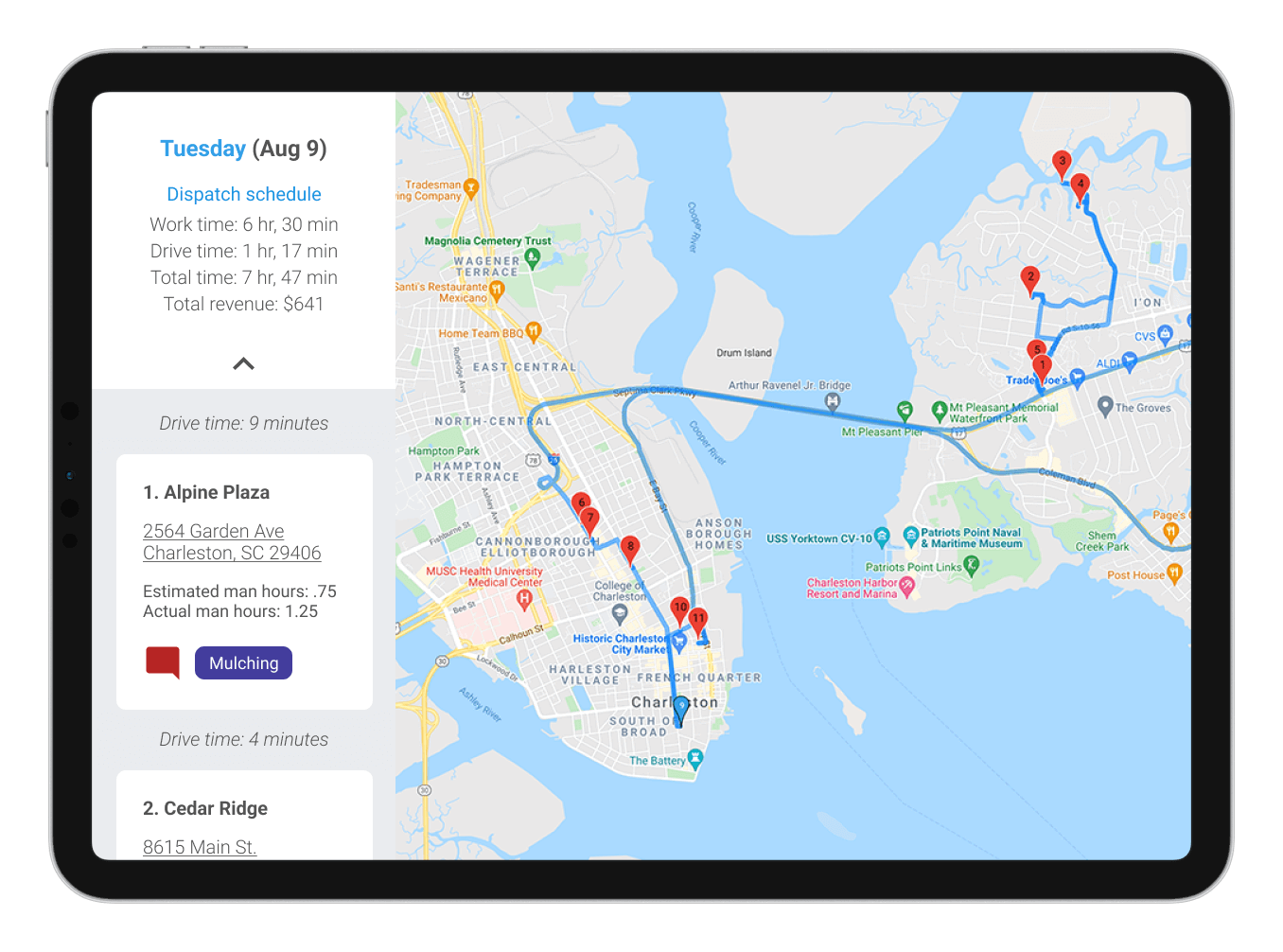
Scheduling and dispatch software ensures the right crews reach properties at the right time.
View the weather forecast right from your home screen to stay on top of snow events, then use Aspire’s drag-and-drop scheduling tools to assign crews in real time—ensuring fast, efficient responses to snowstorms.
Contractors can use the contractor portal to see assigned work, document what they’ve completed, and bill for their services in the same platform you use to manage full-time employees.
Once it’s time for your crew to head to the job site, Aspire’s route optimization software will map the most efficient routes, maximizing productivity and keeping fuel costs low.
You can use built-in CRM tools to notify customers when crew members are about to arrive and to facilitate three-way communication among management, employees, and customers to ensure every job is done right.
As your crew works, Aspire’s Job Costing tools track all labor and material costs in real time. You’ll get a clear picture of job costs for mid-season strategic pricing adjustments, rather than discovering profitability issues only when winter ends.
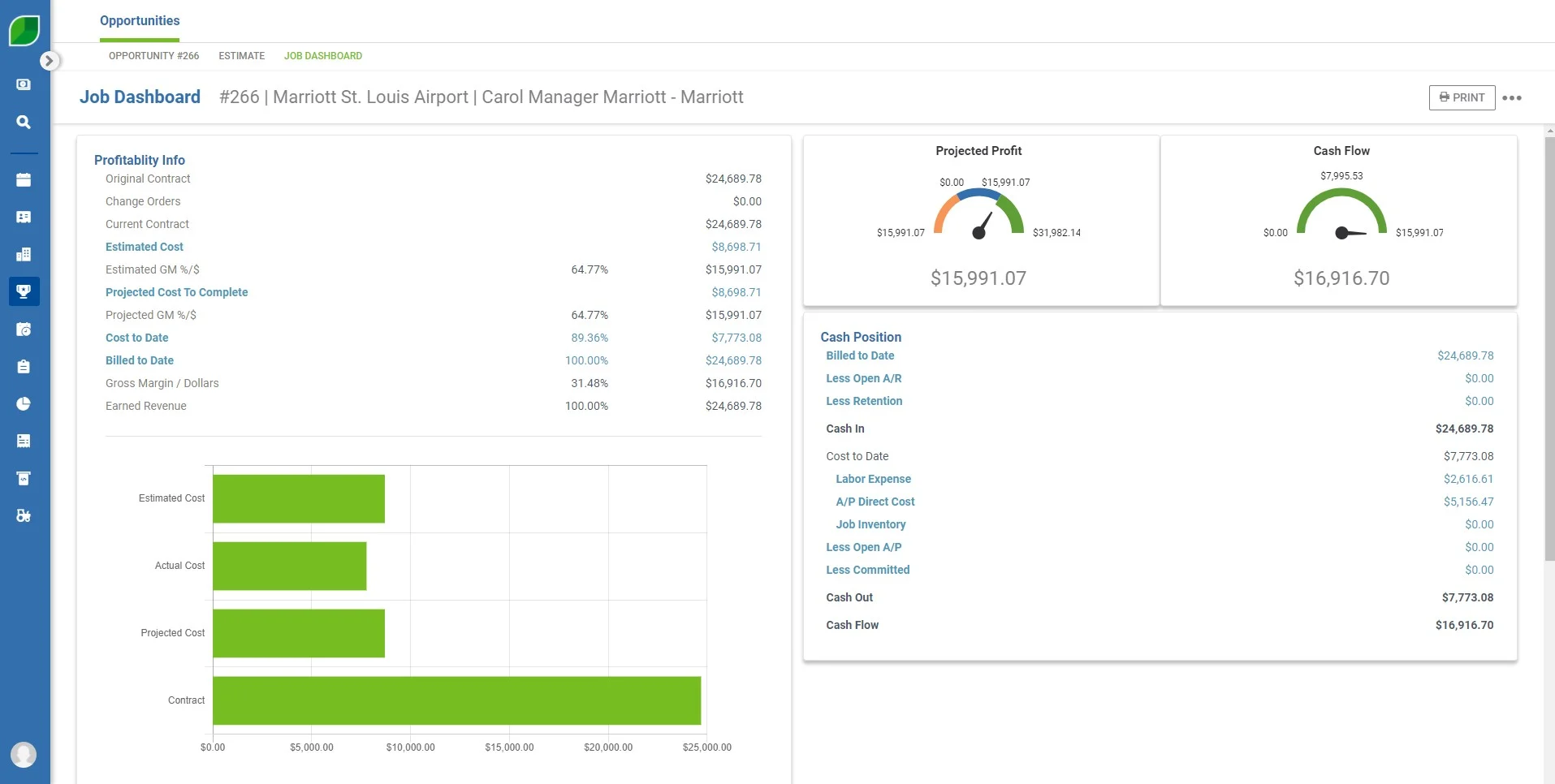
When you finish a job, Aspire will automatically generate an invoice with convenient payment options that you can activate with one click—eliminating manual paperwork errors and keeping cash flow steady.
Finally, you’ll be able to protect your profit margins all season long with real-time performance metrics, including revenue per truck, cost per property, and crew productivity.
With all these tools at your fingertips, you’ll manage winter storms with confidence and keep business operations agile to adapt to whatever the winter brings.
Over to you!
Business owners and their crews need adequate compensation for a job done well. Keeping operations efficient will give your business more flexibility for the steady pay and bonuses you and your employees deserve.
Aspire streamlines critical functions so you can control costs, optimize crew deployment, and protect margins—and keep your business organized even when the weather is chaotic.
Schedule a demo to discover how Aspire can help you turn profit margins into steady income.






 866-727-7473
 Schedule Demo
 390 S Woods Mill Rd #300 Chesterfield, MO 63017


