Table of Contents
Table of Contents
- What are the essential snow removal tools?
- Snow shovel
- Snow pusher
- Snowblower
- Snow plow
- Ice scraper
- Roof rake
- Salt spreader
- What additional tools can improve snow removal?
- Snow cab
- Sander
- Snow poles
- Snow removal machine attachments
- Snow melting mats
- What is the best snow removal equipment for driveways?
- What snow removal equipment is best for sidewalks?
- Which tools are best for commercial snow removal?
- What safety gear is needed for snow removal?
- How do you choose the right snow removal equipment?
- What business management tools do you need for snow removal?
- Snow removal business software
- Lead generation tools
- Accounting software
- Over to you!
Winter weather doesn’t wait for your schedule, and neither do your customers. When snow starts falling, your snow removal business equipment should deliver consistent results.
From essential hand tools to commercial-grade equipment attachments, each one contributes to the quality of service you deliver.
This guide covers all the equipment your snow removal business needs, including:
Essential tools like plows, spreaders, and blowers.
Specialized equipment for driveways, sidewalks, and commercial properties.
Safety gear that protects your crew and reduces liability.
Before you invest in expensive snow removal equipment, take stock of what contracts you’re likely to get. Choose the right tools, and you’ll generate reliable profit throughout the winter season.
What are the essential snow removal tools?
Essential snow removal tools are the ones you’ll need when you first start offering snow removal services. The cost of snow removal equipment can get quite high, so start with the basics first.
Once you’ve established a client base, upgrade to bigger and better tools as you need them, ensuring each tool contributes to your bottom line.
Snow shovel
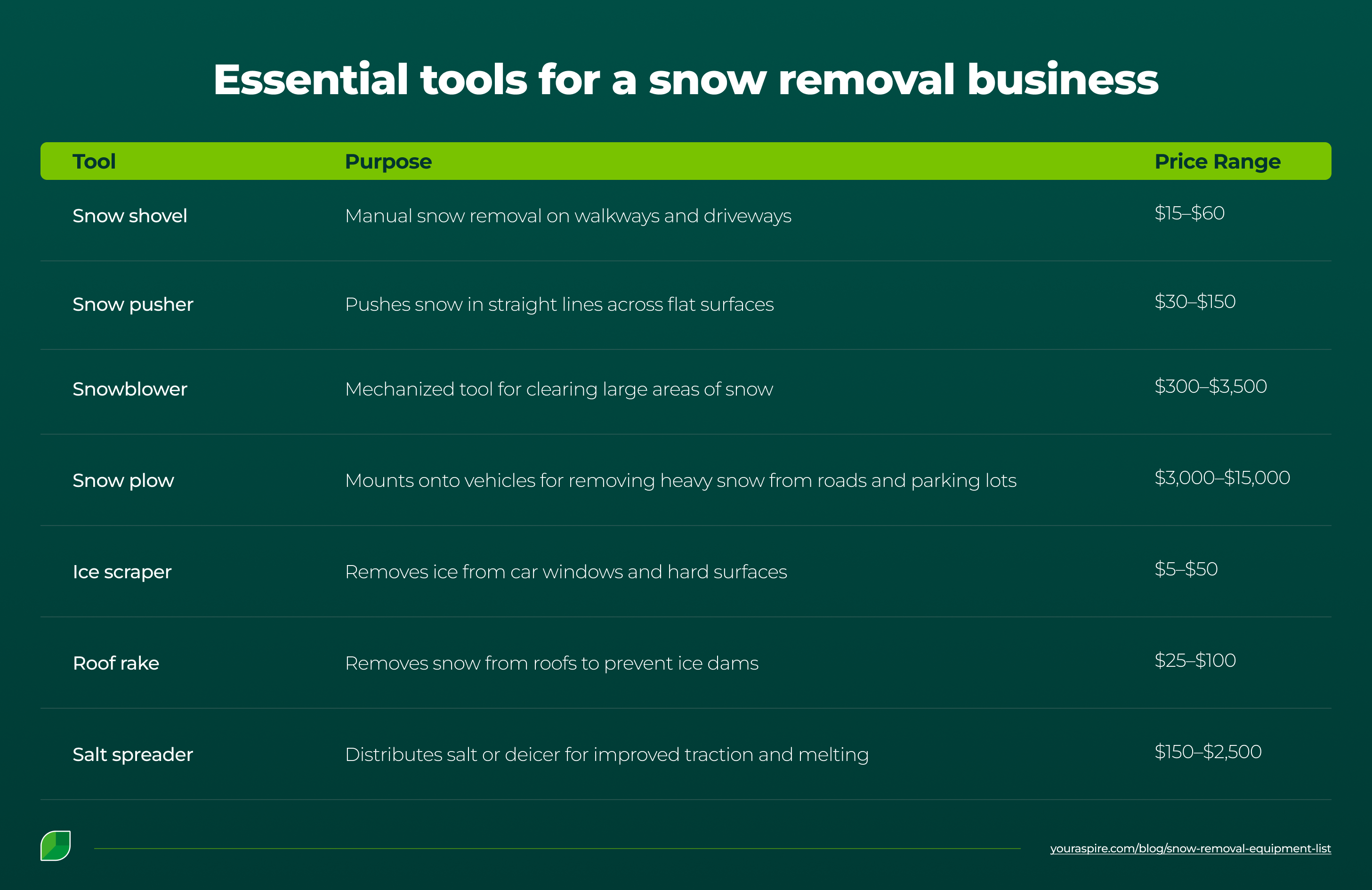
Snow shovels are the classic tool for walkways and driveways, but they’re also great all-purpose tools for any detailed work around buildings where larger equipment can’t reach. They’re also essential for cleanup after plowing.
When you buy snow shovels, consider:
Handle: Curved handles will give you better leverage, and D-grips improve control.
Blade: Steel blades cut through ice and packed snow better, but they’re heavier, while plastic blades work fine for lighter, fluffy snow.
Buy multiple shovels per crew member, since they break frequently during heavy use and you won’t always find emergency replacements when you need them most.
Price range: $15–$60
Snow pusher
Snow pushers excel at clearing large, flat areas such as sidewalks, small driveways, and building entrances. They move significantly more snow per pass than traditional shovels, but they aren’t as good for digging out snow.
Look for wide blades (24–36 inches) and wheeled models that make it easier to push snow for extended periods. Steel-cut edges will last longer but cost more than plastic.
Consider buying snow pushers with adjustable handles for different crew member heights and replaceable blade edges.
Price range: $30–$150
Snowblower
Snowblowers are great for driveways, walkways, and decks. Choose your model depending on the type of snowfall and terrain you’ll handle:
Single-stage snowblowers are enough for light, fluffy snow that’s less than eight inches deep. They won’t work for gravel driveways because they tend to throw rocks, and they won’t be enough for heavy snowfalls.
Two-stage and three-stage models will handle wet, heavy snow up to a foot deep. They’ll work on gravel because the auger isn’t as close to the ground, but they won’t get pavements as clean as single-stage blowers.
Pros will often remove deep snow with a two-stage snowblower, then go back over walkways and driveways with a single-stage blower for a clean finish.
Price range: $300–$3,500
Snow plow
Plows mount onto your ATV or truck for heavy snow on roads and parking lots. Straight plows are easier to operate, so they’re good for new crew members.
V-plows have more complex controls since you can operate both sides of the plow separately. However, their unique shape also makes it much easier to break through snowbanks head-on.
When budgeting for snow plows, don’t forget to factor in maintenance costs. Straight plows require less maintenance because they have fewer moving parts, while v-plows are a bit more expensive to buy and maintain.
Price range: $3,000–$15,000
Ice scraper
Manual ice scrapers are great for removing stubborn ice in places power tools can’t reach. Heavy-duty metal blades cut through thick ice more effectively than plastic blades, and extendable handles are more ergonomic for your crew.
If your crew works in extreme conditions, consider power scrapers for removing ice patches on driveways and parking lots.
Price range: $5–$50 (up to $500 for power scrapers)
Roof rake
Roof rakes might not be necessary for light snow, but once snowfall exceeds six inches, they can help prevent ice dams and structural damage to roofs.
Look for roof rakes with telescoping handles so your crew doesn’t have to work on icy ladders. Also, make sure your liability insurance covers roof work before you offer this service, since damage claims can be costly.
Price range: $25–$100
Salt spreader
Salt spreaders distribute salt and deicer for both preventive treatment before storms and post-snow removal. Investing in salt spreaders opens up additional revenue streams, such as pre-storm contracts, mid-winter maintenance during freeze-thaw cycles, and black-ice prevention.
An affordable handheld or walk-behind spreader will be enough to offer residential salt or de-icing services. As you land bigger contracts (especially commercial parking lots), the labor savings of truck-mounted units will justify the cost.
There’s a lot of variety in truck-mounted salters, from small electric attachments to gas-powered and hydraulic buckets. Look for variable flow controls to prevent waste, and consider what works with the storage space you have available.
Price range: $150–$2,500
Before you bid on snow removal jobs, make sure you have these tools in your arsenal so you can complete client work safely and effectively.
What additional tools can improve snow removal?
The following tools may not be essential, but they can make snow removal much easier:
Snow cab
Sander
Snow poles
Snow removal machine attachments
Snow melting mats
These types of snow removal equipment are often what businesses end up buying once they start to gain momentum.
Snow cab
A snow cab is a weather-proof canopy for snowblowers or tractors. They’ll protect your crew during extended shifts in harsh conditions by shielding against wind, snow, and freezing temperatures.
Most cabs include windshields and side panels, while higher-end models offer heated enclosures. On large contracts, cabs are a significant investment in crew comfort that will pay off in productivity.
Sander
A sander applies sand for traction on ice as an alternative or supplement to salt. It’s particularly effective on steep slopes, icy hills, and areas where chemical deicers might damage the environment or landscape.
Sanders operate similarly to salt spreaders and are available in handheld, walk-behind, and truck-mounted models. Sand is typically cheaper than de-icing chemicals, though it does require more spring cleanup.
Snow poles
Snow poles mark driveway edges for easier navigation and can go a long way toward preventing damage to landscaping features. Install them before winter along driveway edges, walkways, and around obstacles like fire hydrants or irrigation systems.
Commercial properties often require poles as part of service contracts to protect their landscaping investments.
Snow removal machine attachments
Machine attachments transform construction equipment, such as loaders and skid steers, into powerful snow removal tools for commercial operations:
Loader buckets move massive amounts of snow quickly.
Pusher attachments can clear wide paths in single passes across parking lots.
Angle blades direct snow exactly where you need it.
These attachments make sense once you’re handling large commercial contracts that justify heavy equipment. Quick-attach systems let you switch between snow removal and landscaping, maximizing equipment ROI year-round.
Snow melting mats
Snow-melting mats are portable, electrically heated mats that eliminate manual clearing in high-traffic areas such as walkways, steps, and ramps. Set them up as part of premium service contracts for medical facilities, senior living communities, and other clients who need constant accessibility.
You can either get basic portable mats that turn on and off manually, or smart mats with built-in thermostats that turn on when the temperature drops. The latter option is more expensive, but it’s truly hands-off.
What is the best snow removal equipment for driveways?
The best snow removal equipment for driveways depends on driveway size and the climate in your area.
Snow shovels and single-stage snowblowers are often enough for short, narrow driveways. Some homeowners use electric shovels, but pros typically skip them and go with snowblowers when they need power tools.
For longer or wider driveways with heavy snow, two-stage or three-stage snowblowers are often ideal. You can also use a compact snow plow attachment for an ATV or tractor, which offers more maneuverability in small driveways than a large truck attachment.
What snow removal equipment is best for sidewalks?
Most residential sidewalks are three to five feet wide. Concrete sidewalks can be damaged by metal edges, so choose light equipment that’s narrow enough to fit the width of the sidewalk.
Single-stage snowblowers, walk-behind plows, and snow pushers are best for sidewalks. You may also need handheld salt spreaders and ice scrapers in areas with heavy ice, or snow-melting mats for high-traffic walkways.
Sidewalk clearing is often less profitable than parking lots, and these contracts include multiple stops—so equipment efficiency matters. Choose tools that work quickly and fit easily in your truck bed so loading time between stops doesn’t cut into your profit margins.
Which tools are best for commercial snow removal?
Commercial snow removal demands equipment capable of handling large-scale operations efficiently. Property managers and business owners expect parking lots to be cleared before opening hours, which means your equipment needs to move a significant volume quickly:
Truck- or tractor-mounted snow plows: Essential for large parking lots, access roads, and open areas where speed and capacity matter most. V-plows and expandable wings will make these projects much less time-consuming.
Skid steers and wheel loaders with snow attachments: Critical for moving snow into piles, loading trucks to ship snow off-site, and stacking snow in designated areas to preserve parking spaces.
Heavy-duty snowblowers: Handle sidewalks, building perimeters, and other small areas where plows can’t fit. Track-drive models with rubber treads won’t slip as easily on hills or slick surfaces.
Truck-mounted salt spreaders: Cover large areas with salt and sand for both pre-treatment and de-icing. Variable-flow controls let you adjust salt applications to match conditions on the ground.
Wide snow pushers (6–10 feet): Attach to skid steers or tractors for clearing loading docks, walkways, and areas that need more precision than plows can offer.
Commercial snow removal equipment can be expensive, but the price tag is worth it if it helps you secure more high-value contracts.
What safety gear is needed for snow removal?
Freezing temperatures, reduced visibility, loud equipment, and slippery surfaces all create unique safety hazards that demand proper protection. Invest in quality gear that your crew will actually wear:
Insulated boots: Keep feet warm and offer traction on snow and ice.
Ice cleats: Strap over boots for more grip on icy surfaces to prevent slip-and-fall injuries.
Waterproof, insulated gloves: Protect hands from cold, moisture, and equipment vibration over long shifts.
Safety glasses or goggles: Shield eyes from windblown snow, ice chips, and debris kicked up by equipment.
High-visibility clothing: Reflective vests and jackets keep the crew visible during night operations.
Hearing protection: Earmuffs and earplugs can prevent hearing damage from loud snowblowers.
Proper safety gear will reduce workers’ comp claims and keep your crew comfortable through long winter shifts.
How do you choose the right snow removal equipment?
The best brands for snow removal equipment depend on what specific tools you need and how you’ll use them. Choose equipment based on your contract mix, regional weather conditions, crew capacity, and budget.
Start with your contracts. Small driveways need different tools than sprawling parking lots. Take stock of your most profitable contracts, then invest in the equipment that makes them easier to execute.
Match equipment to conditions. Areas with regular, light snowfall will need different tools than regions facing occasional heavy storms. Factor in the typical snowfall depth and frequency, as well as whether you’re dealing with dry powder or wet, heavy snow.
Factor in ease of use. Your equipment will have a big impact on how easy or stressful your crew’s day-to-day tasks are. Reliable, ergonomic tools will make their day much easier and reduce employee turnover.
Consider total ownership costs. Gas-powered, electric, and hydraulic tools all have different maintenance needs and lifespans. Factor in the potential cost of fuel and snow removal equipment maintenance when evaluating tools to understand the total cost of ownership.
Remember that sometimes, it’s better to spend a little more on quality tools up front so you won’t be stuck with sudden repair or replacement bills later.
What business management tools do you need for snow removal?
Operational efficiency is about more than just the right physical equipment; it’s also about keeping your crew organized during storm season when every minute counts.
For that, you’ll need business management tools that enhance the effectiveness of your physical equipment by keeping jobs on time and on budget.
Snow removal business software
Aspire’s snow removal management software is your toolbox for the office, with everything you need to run your business in a single platform.
This includes features like:
Equipment management: Track maintenance schedules for plows, blowers, salt spreaders, and other equipment to prevent mid-storm breakdowns. Integrate with FleetSharp GPS to automate vehicle tracking and document crew activity.
Job costing: Understand the true profitability of every job by tracking labor, materials, and equipment costs in real time. Use these insights to make smarter equipment investments and focus on contracts that actually make money rather than drain resources.
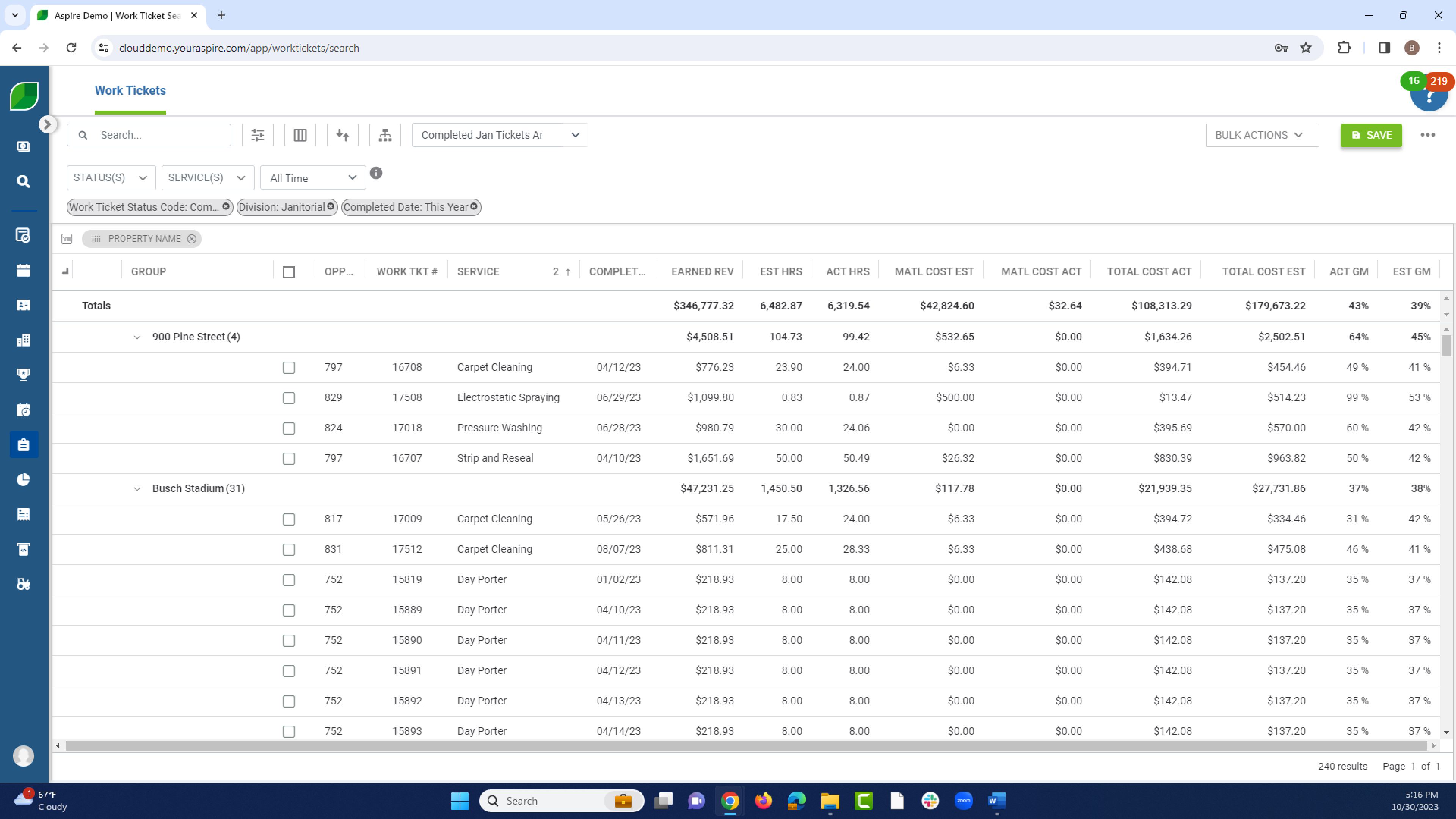
Crew management: Aspire’s scheduling, route planning, and time-tracking tools let you and your crew get to work without wading through paperwork first. Share route updates and priority changes instantly to pivot when storms hit.
Lead generation tools
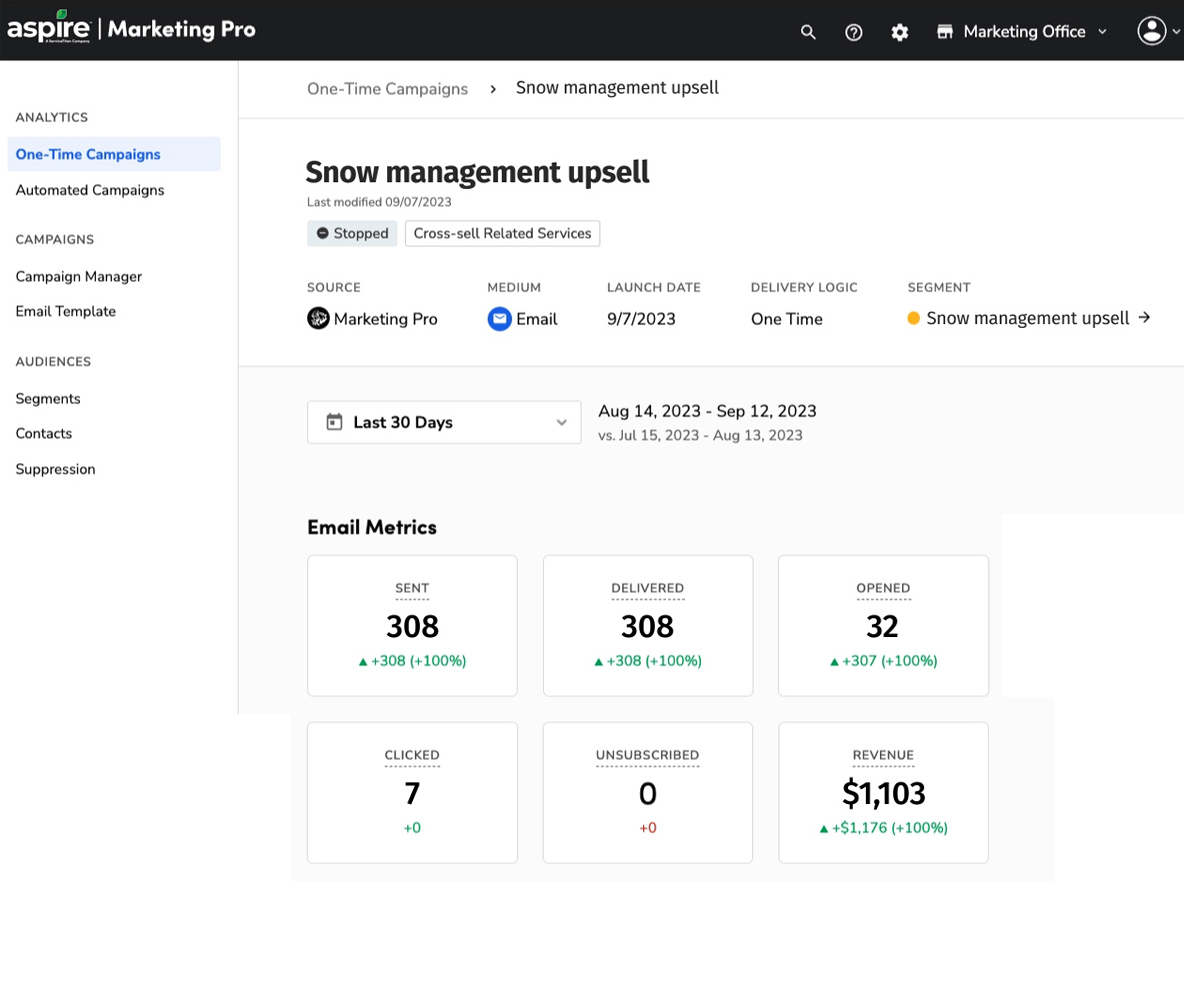
Aspire’s Marketing Pro tool makes it easy to create targeted email campaigns for contract renewals and service upgrades. Use Aspire’s performance tracking dashboards to identify the most profitable services, then create email lists that target those clients from your CRM.
Set one-time campaigns or schedule drip sequencing to keep your brand name top-of-mind. Then, measure the ROI of your campaigns to see what messaging truly impacts your bottom line.
Accounting software
Aspire’s accounting software centralizes your financial data, from invoices to expenses, equipment costs, payroll, and more. Sync with QuickBooks to streamline financial reporting and keep a close eye on your cash flow.
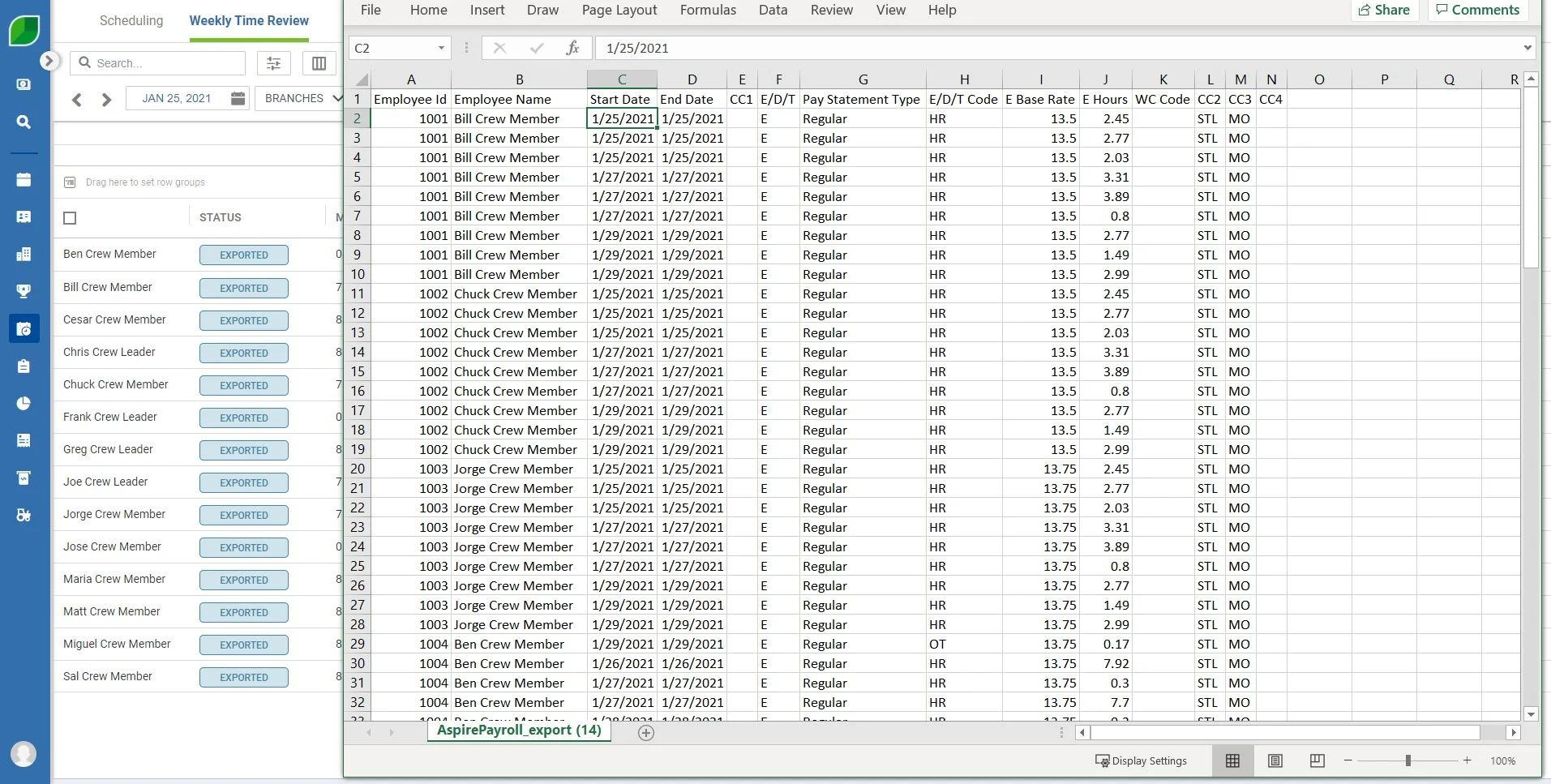
Track per-storm profitability, monitor material costs against estimates, and generate reports that inform smarter bidding decisions next season.
With real-time visibility into all your data, you’ll be set to make the business decisions that get the most out of your equipment investments.
Over to you!
The right snow removal equipment can help you make this winter season your most profitable yet. Start with the essentials, then scale up as your contracts grow—and pair them with efficient processes that help you decide exactly when to make your next investment.
With Aspire, you can get full visibility into your business to ensure every piece of equipment contributes to your bottom line.
Ready to level up your snow removal business? Book a demo to see why Aspire might be your next essential piece of equipment.






 866-727-7473
 Schedule Demo
 390 S Woods Mill Rd #300 Chesterfield, MO 63017


